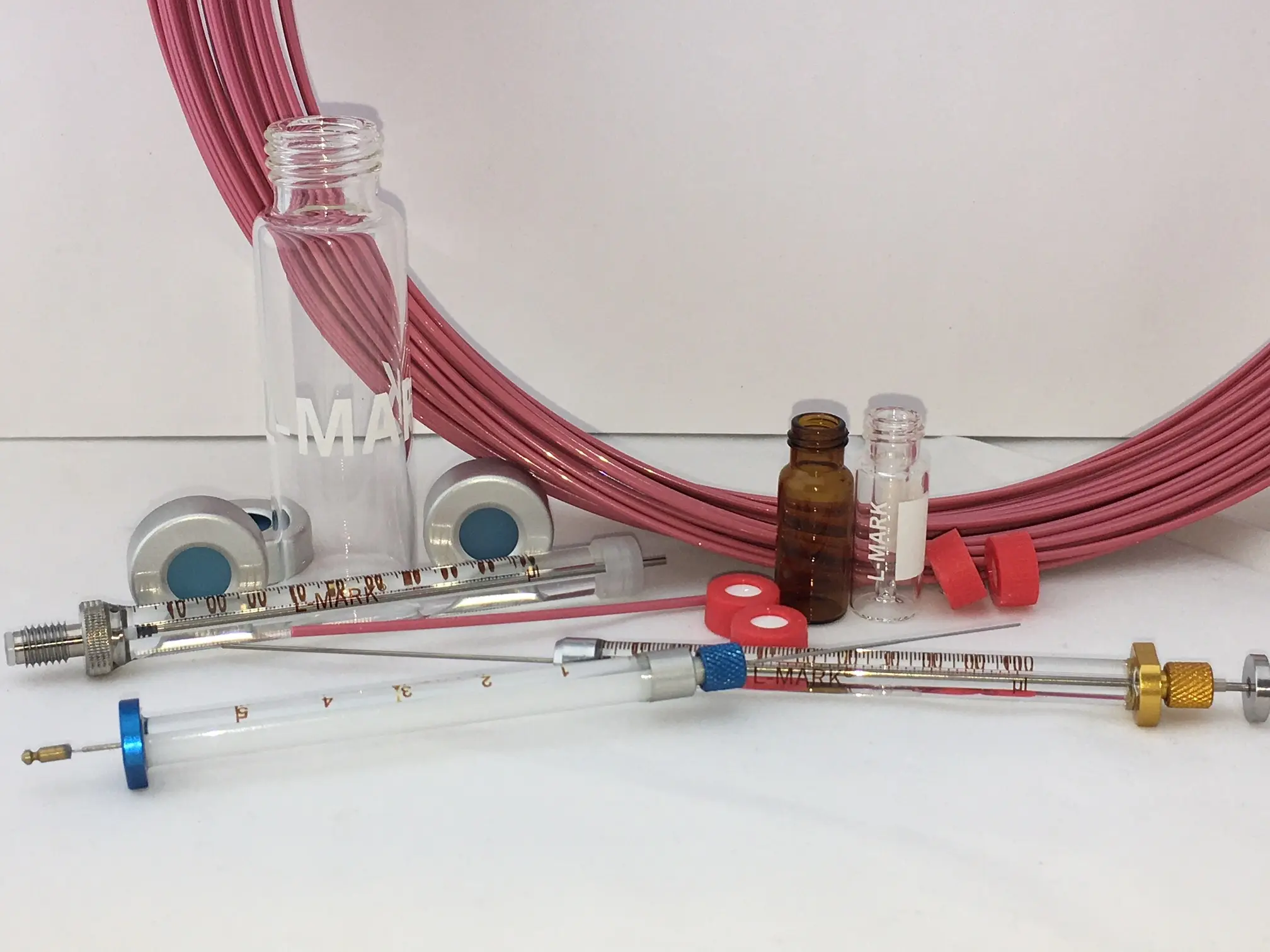
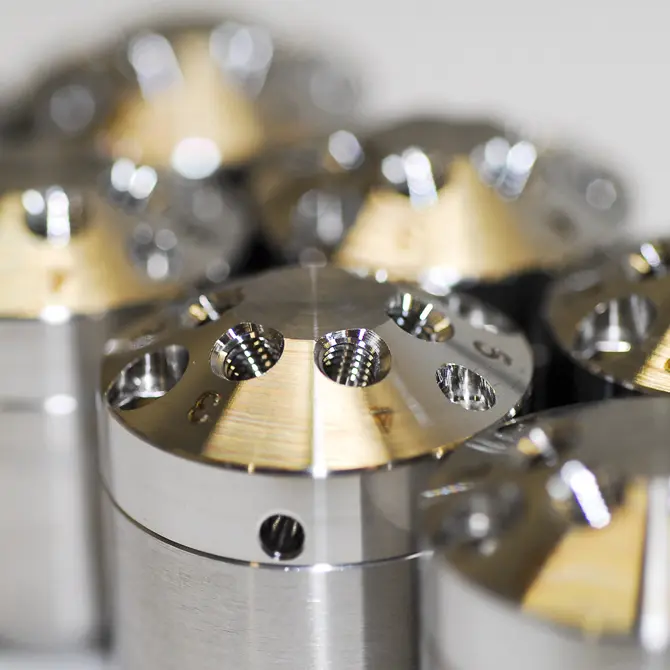

In a high-throughput laboratory, the Liquid Chromatography–Mass Spectrometry (LC–MS/MS) system is the engine of productivity. Yet these are negatively impacted when key components fail—One such frequently overlooked components are valves such as injection valves.
At Trajan LPP, we’ve seen how this critical part can determine whether your system performs flawlessly or faces costly downtime. Too often, valve purchasing decisions are driven purely by price. But when you consider how much a system shutdown or sample loss can cost, a budget-driven approach to fluidic components quickly becomes a false economy.
Is it time to view the total cost of ownership (TCO)—and to view valves (and related components) not as costs to the business but instead as safeguards for optimizing operational uptime and so enabling the maximization of lab profitability?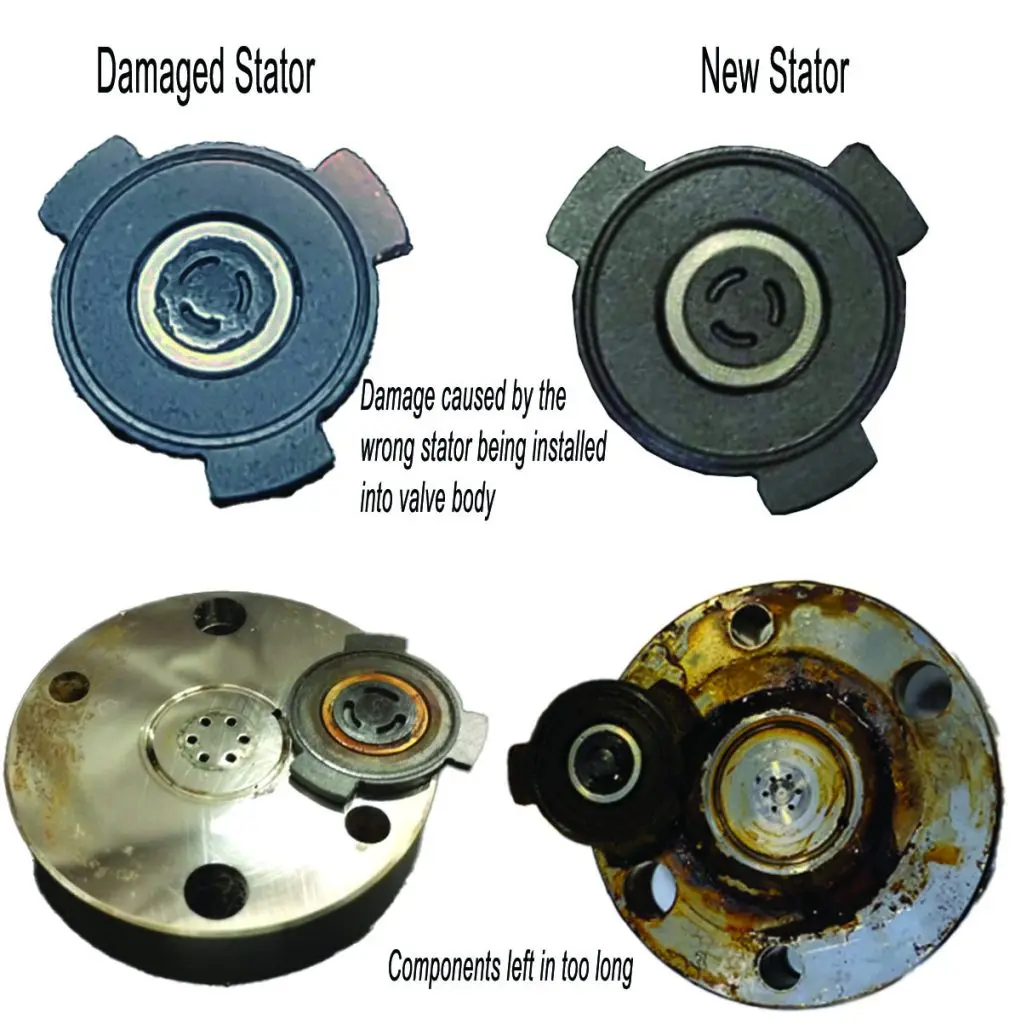
The High Price of False Savings: Quantifying Downtime Risk
In the life cycle of a chromatography system, the greatest financial risk is not routine maintenance—it’s unplanned downtime.
When a low-quality valve or a worn rotor seal fails, it can cause mechanical debris or leaks that damage high-value components such as pump heads or even the mass spectrometer itself. These repairs can range from $10,000 to over $30,000, depending on the system and the extent of the damage.
But the greater cost is lost productivity. For labs operating under tight project timelines—pharmaceutical QA/QC, clinical research, or contract testing—a system outage can halt throughput for days or weeks, delaying results and impacting revenue.
By comparison, a robust Preventive Maintenance (PM) plan that includes premium fluidic components may cost $4,500 annually. If that investment prevents even one $20,000 failure event, the ROI exceeds 400%.
Investing in quality valves and seals isn’t just a technical choice—it’s financial risk management for your most valuable analytical assets.
At Trajan LPP, we help labs evaluate valve and component options that align with both budget and uptime goals.
The Precision Imperative: Protecting Data Integrity
Beyond financial implications, valve performance directly affects analytical quality. In modern LC and LC–MS workflows—especially UHPLC and 2D-LC—precision switching is essential for reproducible separations and consistent quantitation.
Minimizing Dead Volume for Sharper Peaks
Even small amounts of “extra column” or dead volume introduced by valves and fittings can both broaden and distort peaks and so reduce chromatographic peak efficiency. Precision-engineered valves can minimize internal volume—sometimes by more than 90% compared to standard components—delivering sharper peaks, higher sensitivity, and improved data reliability.
The Gatekeeper of 2D-LC and Automation
In advanced workflows like 2D-LC or automated sample switching, the valve is the mechanical gatekeeper. Any inconsistency in switching precision or cycle-to-cycle reliability can disrupt the entire workflow.
Reliable, high-cycle valves are critical for ensuring that your automation investment achieves its expected return. Trajan LPP helps customers select valves optimized for both mechanical endurance and analytical accuracy, ensuring that automation and throughput targets are met without interruption.
Component Longevity: Not all seals are the same quality.
Rotor seals and other valve components may appear costly upfront, but material science tells a different story. High-quality seals made from advanced inert polymers or ceramics, extend service intervals and resist chemical wear—saving both time and long-term maintenance costs.
At Trajan LPP, we help labs identify valve and seal materials that match their system pressures, solvent chemistries, and cycle demands—ensuring reliable, contamination-free operations over thousands of injections.
The Takeaway
Your chromatography valve is not a simple consumable—it’s a critical component that determines your system’s uptime, your data integrity, and your lab’s financial resilience.
Trajan LPP works alongside analytical teams to supply high-quality valves, seals, and fittings from leading manufacturers—helping you protect your investment, minimize downtime, and maintain data precision.
Connect with a Trajan LPP Specialist today to discuss valve and component solutions that safeguard your uptime and secure your ROI.
Additionally, our Trajan Chronect Team provides flexible service options including preventative maintenance plans, full-service contracts, and on-demand support, contact them today.
Sources and References
- LabTechSupport: “Cost Analysis: The Impact of Regular Maintenance vs. Major Repair in LC-MS Systems” (Details on catastrophic repair costs [$10,000–$30,000+] and downtime.)
- ResearchGate: “Does anyone have experience with Preventive Maintenance on a chromatography NGC quest 10 (BioRad)?” (Source for typical PM service cost ~$4,500 USD.)
- Restek: “Rotor Seal (for binary pump purge valve head), for Agilent 1290 HPLC Systems” (Example of critical consumable cost.)
- Phenomenex Blog: “HPLC Leakage Problems” (Practical guide detailing how leaks at valves and fittings lead to system instability.)
- Chromatography Online: “Troubleshooting for Two-Dimensional Liquid Chromatography (2D-LC)” (Explains the critical role of the switching valve in preventing mobile-phase mismatch/breakthrough peaks in advanced separations.)
- Shimadzu Technical White Paper: “Which LC Characteristics Make for a Great LC/MS Front-end System?” (Emphasizes the critical need for highly stable and reliable fluidic platforms to maximize LC-MS accuracy and precision.)
- Equilibar Technical Data: “Low Dead Volume Back Pressure Regulators” (Quantifies the impact of Zero Dead Volume technology, citing a 93% dead volume reduction from 3 ml to 0.2 ml with specialized HPLC fittings.)